Current Monitoring Solutions
While several technologies exist for forest fire monitoring, each comes with
significant limitations that prevent effective, large-scale deployment.
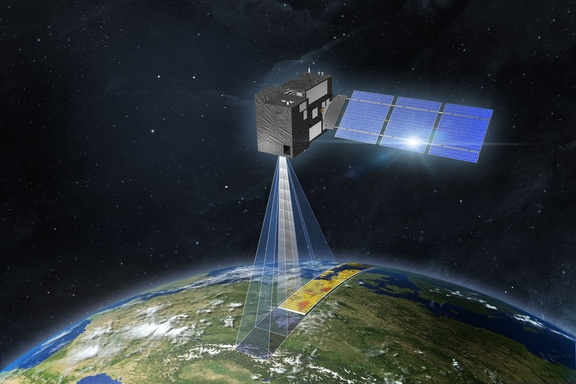
Advantages
- High monitoring accuracy
- Broad coverage
- Monitoring of inaccessible regions
Limitations
- Inefficiency of detecting smaller fires
- Dependency on thermal signatures
- Blind spots for small fires
- Delays in response due to long revisit time
- Extremely high cost (10 million to 400 million USD per unit)
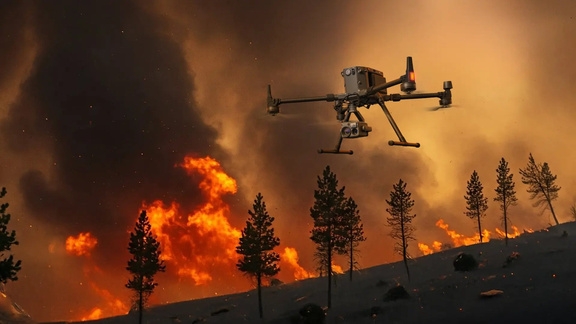
Advantages
- Precise and timely information
- High mobility in variable terrain
- Enhanced spatial resolution and flexibility
- High resolution
Limitations
- Vulnerable to atmospheric disturbances and signal disruption
- Limited by flight range and time
- Short endurance
- Limited coverage
- Reliance on skilled operators
- High operational cost (5,000 to 20,000 USD per unit)
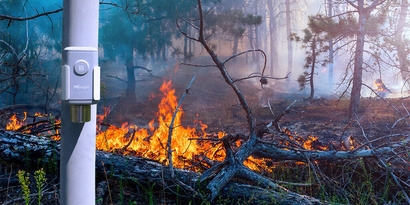
Advantages
- Accuracy of detection
- Early detection of chemical fire signatures
- Superior localized precision
- Real-time data
- Localized accuracy
Limitations
- Dependency on unsustainable battery-swapping regimes
- High capital expenditure required for large-scale implementation
- Maintenance inefficiencies
- Power dilemma: batteries are unsustainable
- Solar power is intermittent
- Deployment complexity